

7 Signs Your Cold Chain Is Failing (And What It’s Costing Your Business)
Cold chain failures don’t always happen because a refrigerated truck breaks down. More often, they’re caused by small, avoidable issues that go unnoticed until products arrive spoiled, damaged or rejected.
If your business transports food, pharmaceuticals or other temperature-sensitive products, recognizing these warning signs early can save you significant time, money and customer trust.
1. Frequent Product Spoilage
If products consistently arrive with reduced shelf life, unusual appearance or signs of thawing, your cold chain may be breaking during transportation or storage.
2. Temperature Records Are Missing
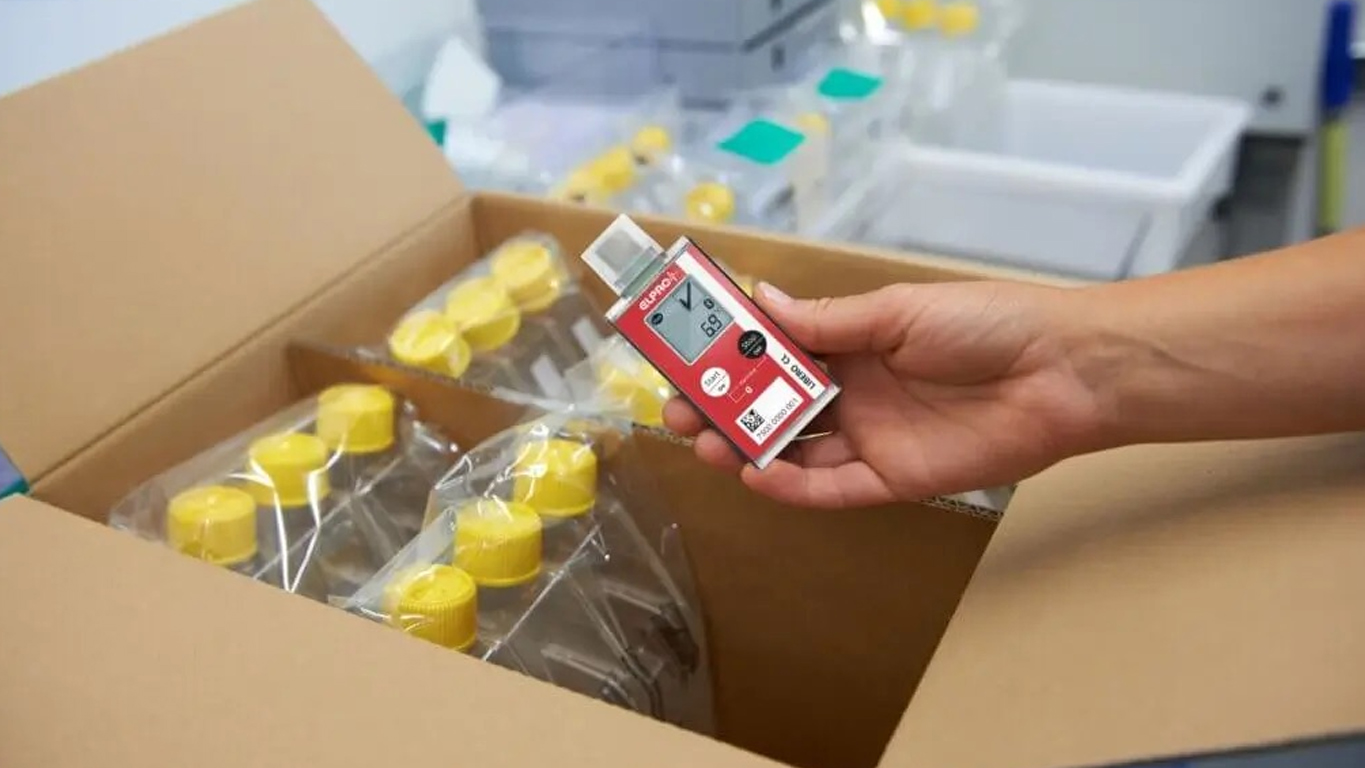
Without reliable temperature logs, there’s no way to prove products stayed within the required range throughout transit. This increases risk during audits and customer disputes.
3. Delivery Delays
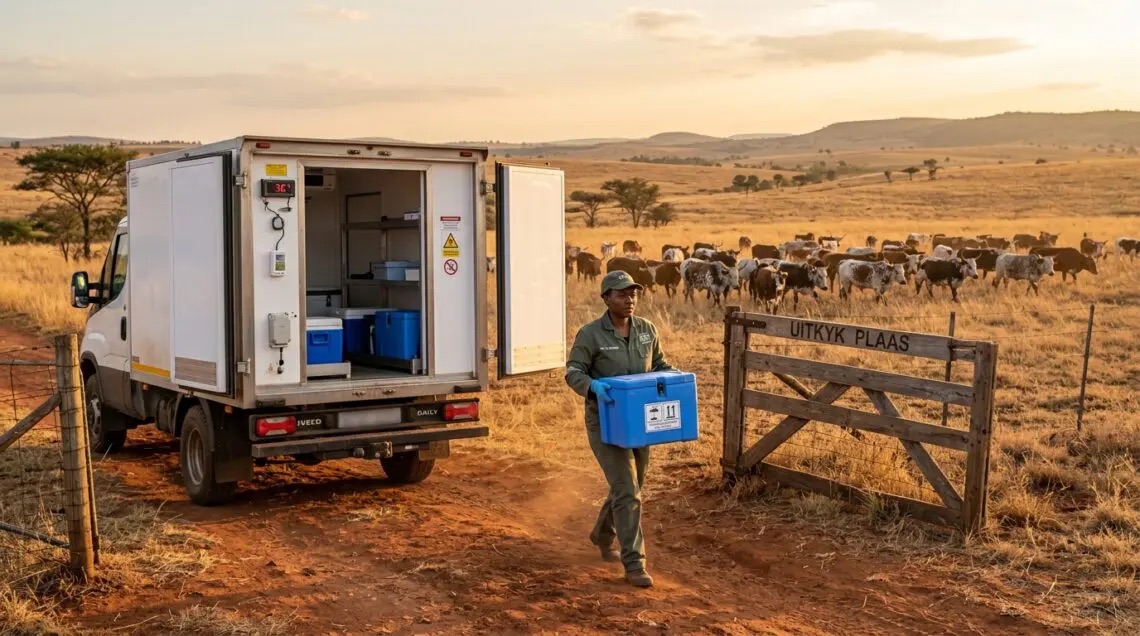
The longer temperature-sensitive goods remain in transit, the greater the risk of temperature fluctuations. Poor route planning and unexpected delays can quickly compromise product quality.
4. Rising Customer Complaints
Recurring complaints about damaged, expired or poor-quality products often point to hidden cold chain issues rather than manufacturing defects.
5. Lack of Shipment Visibility
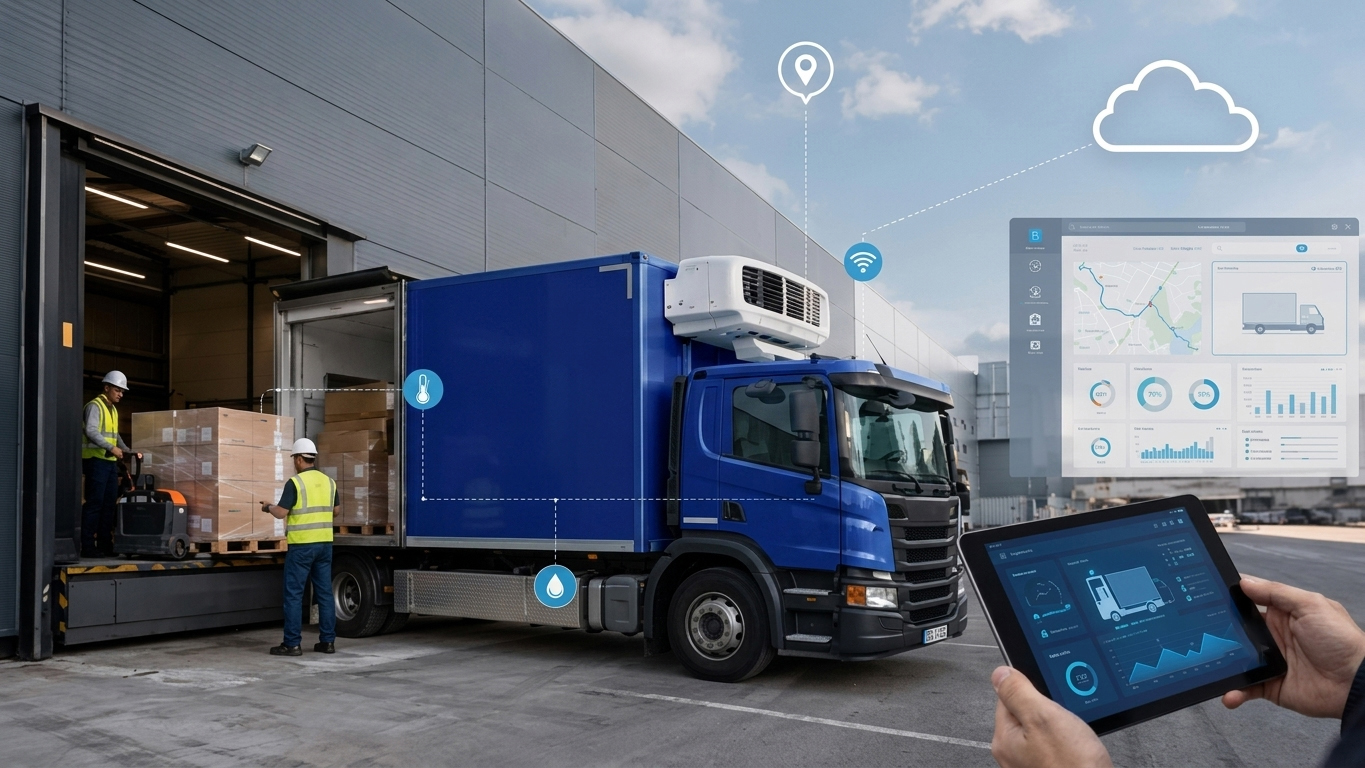
If you don’t know where your shipment is or what temperature it’s currently experiencing, you’re operating with unnecessary risk.
6. High Product Returns
Returns due to spoilage, damaged packaging or failed quality inspections often indicate temperature control failures somewhere along the supply chain.
7. Dependence on Manual Processes
Paper logs, manual temperature checks and phone calls are slow, prone to error and make it difficult to identify problems in real time.
How to Strengthen Your Cold Chain
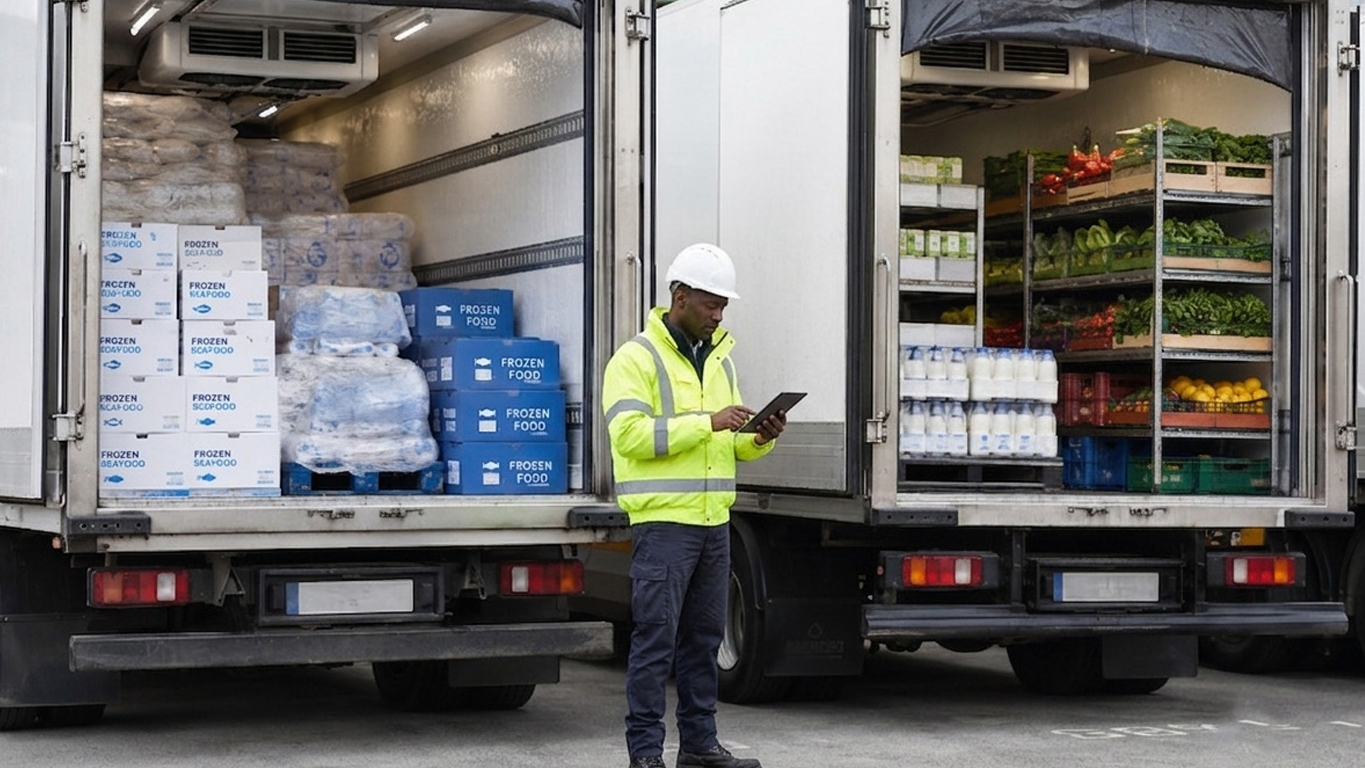
Improving cold chain reliability doesn’t always require major investments. Businesses can reduce losses by using reliable refrigerated transport, monitoring temperatures continuously, planning efficient delivery routes and working with logistics partners that provide shipment visibility.
The goal isn’t simply to move products from one location to another. It’s to ensure they arrive in the same condition they left.
A stronger cold chain protects your products, your customers and your reputation.


Leave a Reply