

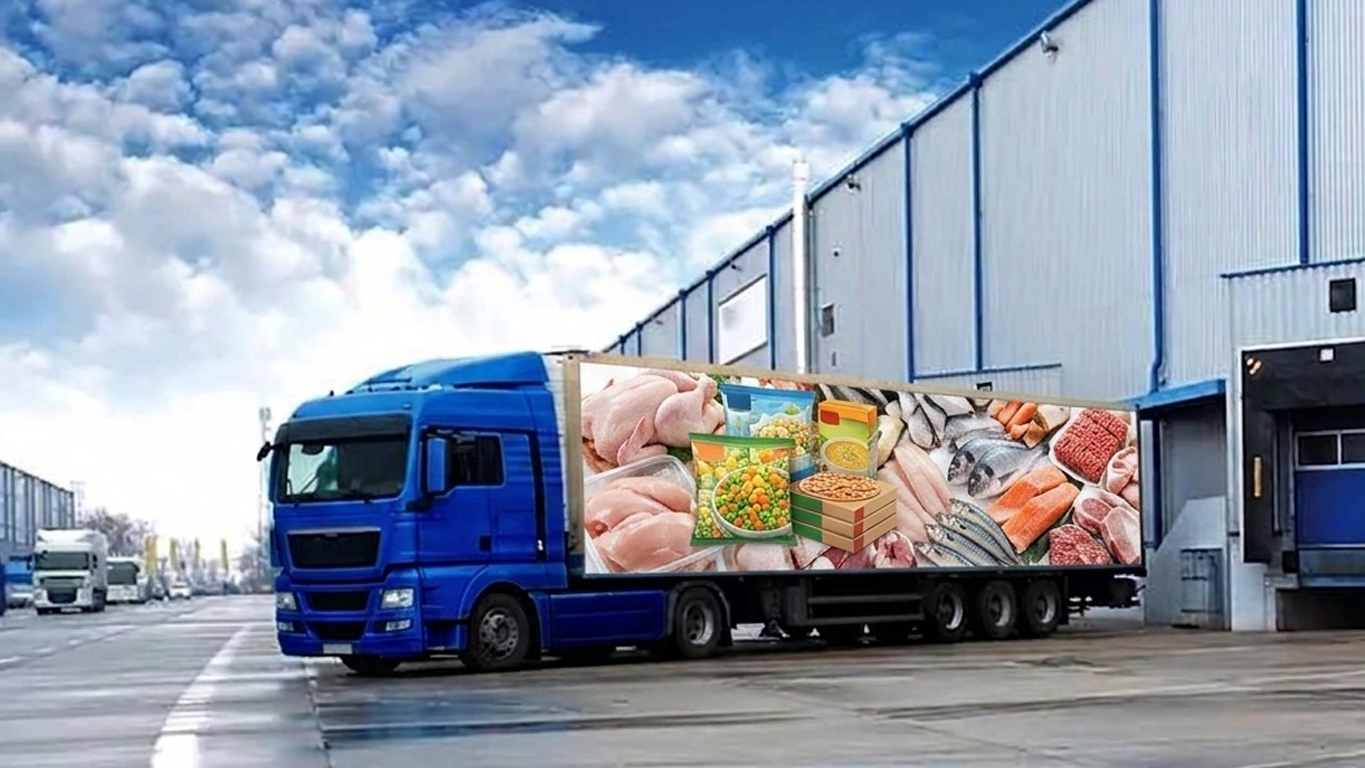
What Is Cold Chain Logistics? Why It Matters More Than Ever in Nigeria
Every day, millions of naira worth of food, medicines, vaccines and other temperature-sensitive products move across Nigeria. Yet, many of these products never reach their destination in usable condition because the cold chain is broken somewhere along the journey.
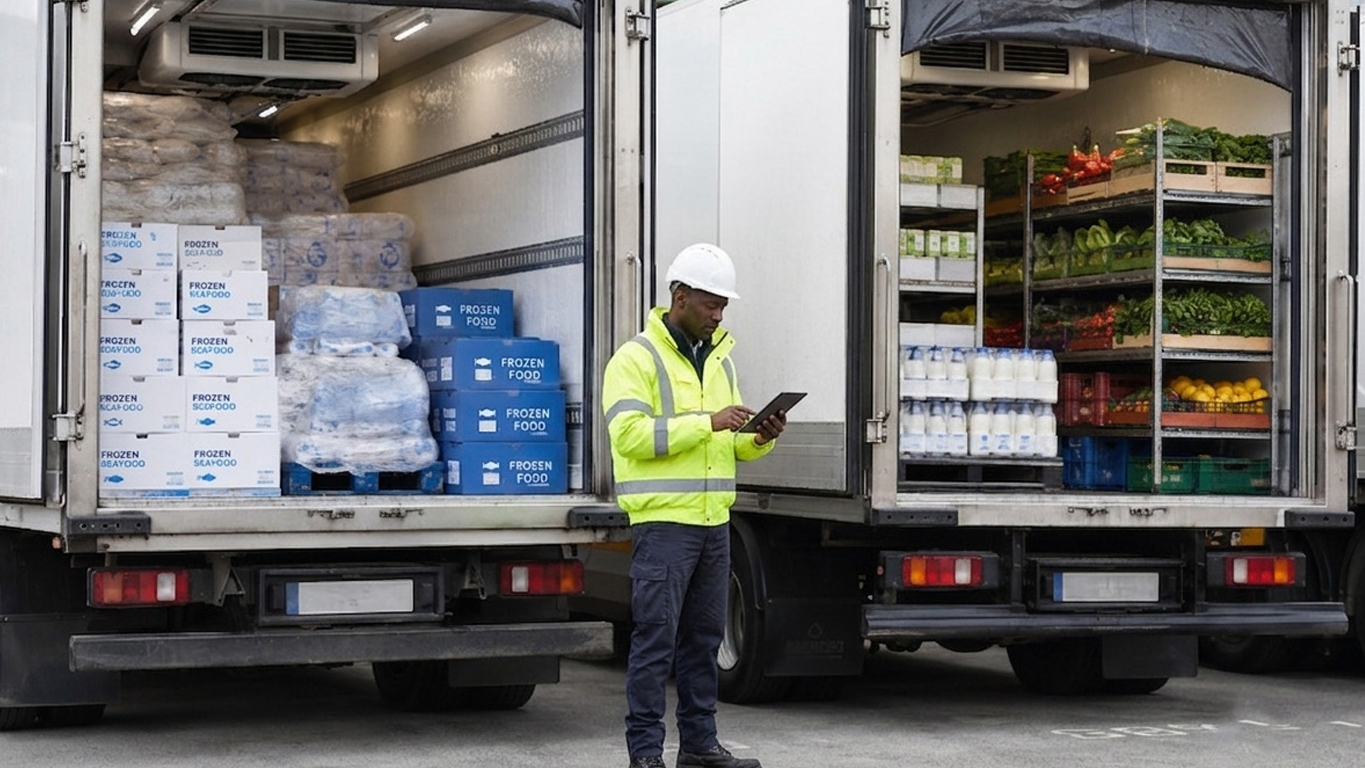
Cold chain logistics is the process of transporting and storing products within a controlled temperature range from the point of production to the final customer. Whether it’s frozen chicken, fresh vegetables, dairy products, insulin, laboratory samples or vaccines, maintaining the right temperature is essential to preserving quality, safety and effectiveness.
Why the Cold Chain Matters
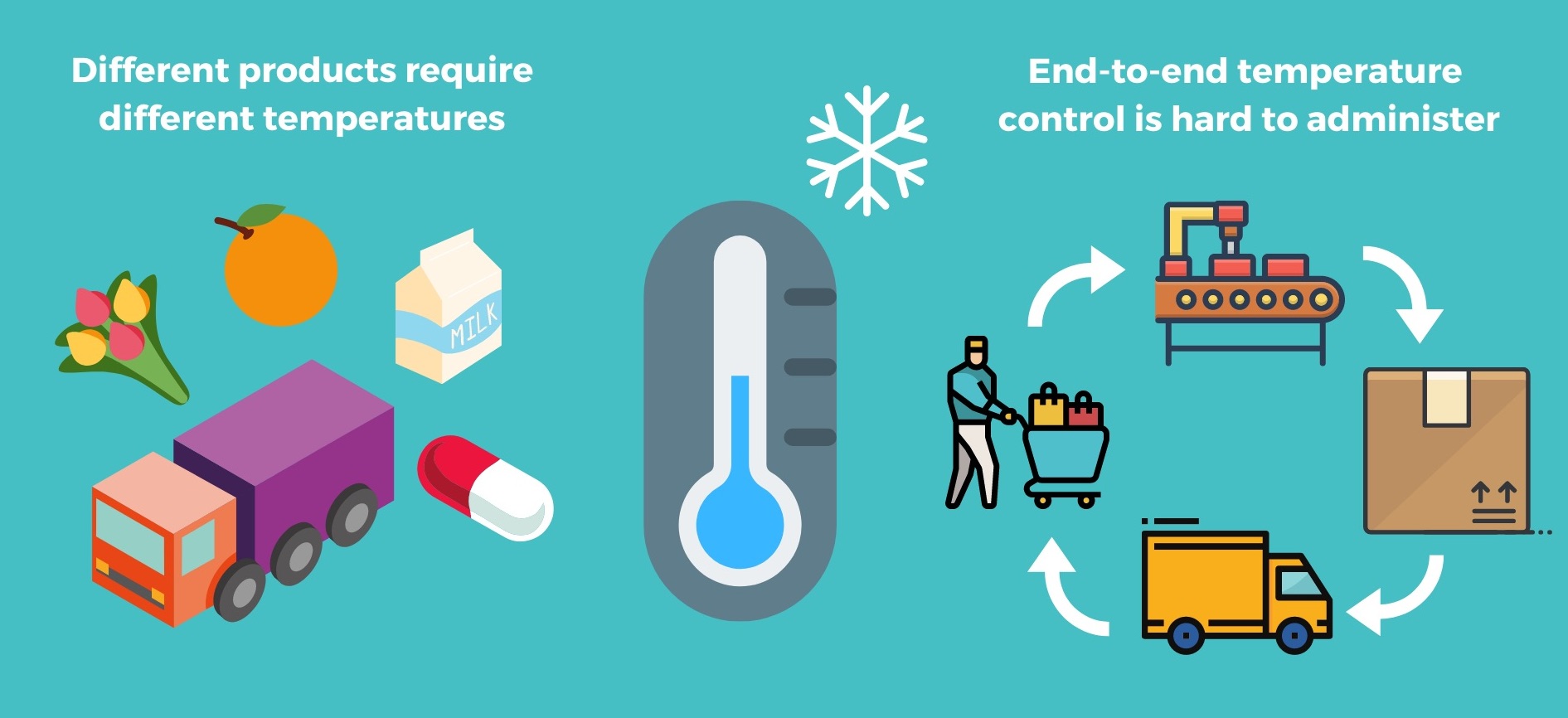
Temperature-sensitive products are highly vulnerable to heat exposure. Even a short period outside their recommended temperature range can reduce shelf life, compromise quality or make them unsafe for consumption or use.
For businesses, this can lead to:
- Product spoilage and waste
- Financial losses
- Customer complaints
- Regulatory compliance issues
- Damage to brand reputation
For healthcare providers, the consequences can be even more serious, as improperly handled medicines and vaccines may lose their effectiveness before reaching patients.
The State of Cold Chain Logistics in Nigeria
Nigeria has one of Africa’s largest food and pharmaceutical markets, but the country continues to face significant cold chain infrastructure challenges. Limited refrigerated transportation, inadequate cold storage facilities, inconsistent power supply and poor visibility during transit contribute to avoidable losses across the supply chain.
Businesses often struggle to find reliable refrigerated vehicles when needed, while many shipments move without real-time visibility into temperature conditions.
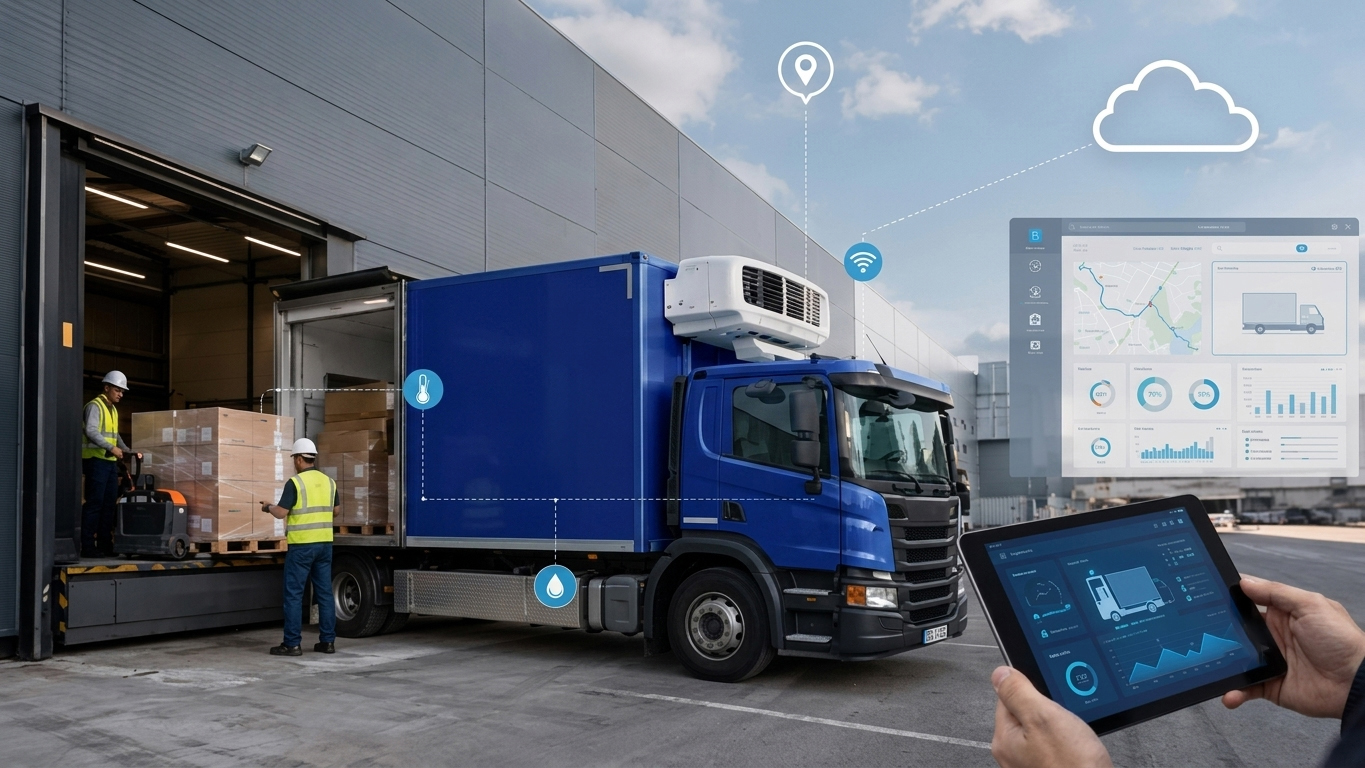
Technology Is Transforming Cold Chain Operations
Modern cold chain logistics is no longer just about refrigerated trucks. Digital technologies are making it possible to monitor and manage every stage of the journey.
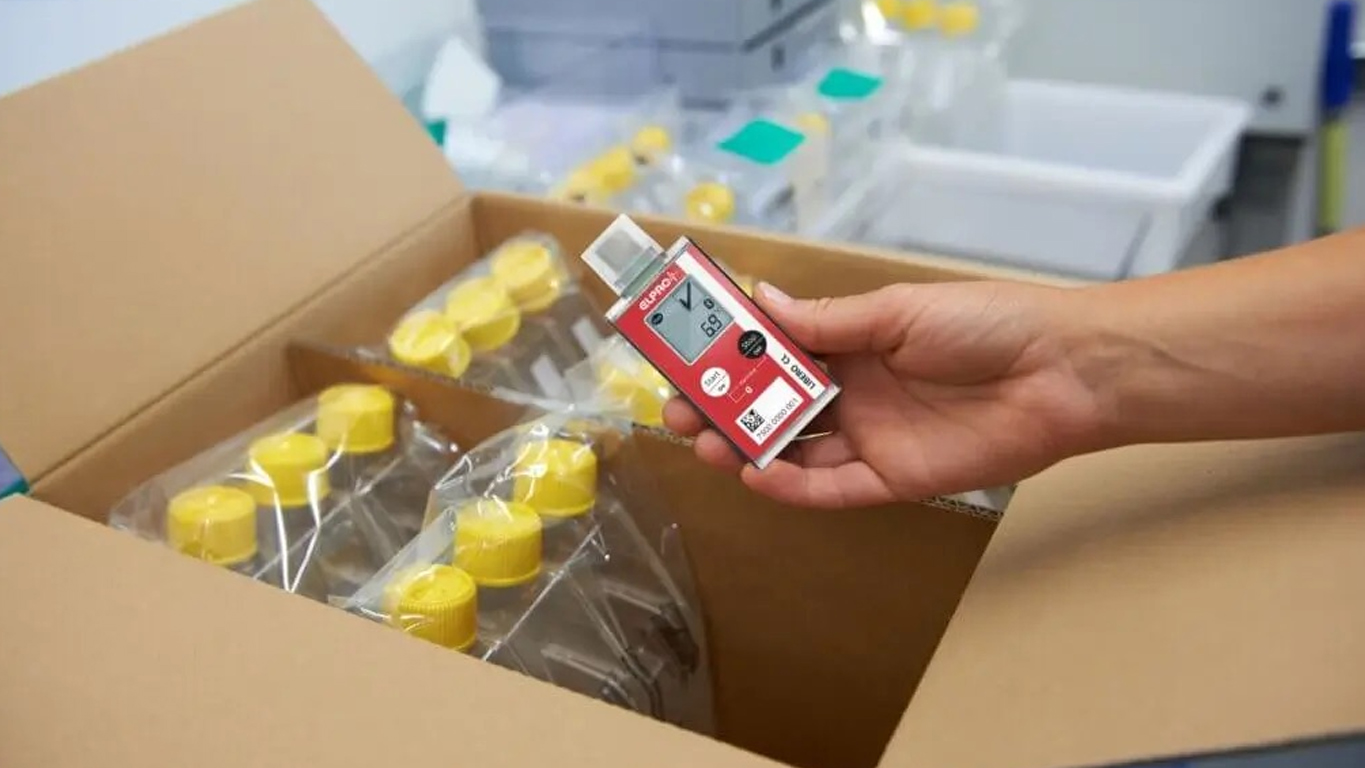
Innovations such as GPS tracking, IoT temperature sensors, cloud-based monitoring platforms and automated alerts help logistics teams detect problems early and respond before products are compromised.
These technologies also provide valuable shipment records that support quality assurance and regulatory compliance.
How Dara Supports Temperature-Controlled Logistics
Dara is building a technology-enabled cold chain logistics platform designed to make temperature-controlled transportation more accessible, transparent and reliable across Nigeria.
Through a growing network of refrigerated transport partners and cold storage facilities, Dara connects businesses with the infrastructure they need while providing real-time shipment visibility, temperature monitoring and operational insights.
Rather than owning fleets of refrigerated trucks, Dara operates an asset-light model that enables businesses to access trusted cold chain capacity when and where they need it.
Looking Ahead
As demand for fresh food, pharmaceuticals and healthcare products continues to grow, strengthening Nigeria’s cold chain infrastructure will become increasingly important. Businesses that invest in reliable temperature-controlled logistics will be better positioned to reduce waste, improve customer satisfaction and expand into new markets.
Cold chain logistics is no longer a specialised service reserved for a few industries. It is becoming a critical part of building resilient supply chains that protect products, businesses and consumers alike.
If your business relies on transporting temperature-sensitive goods, understanding and investing in the cold chain is one of the smartest decisions you can make.


Leave a Reply