


Refrigerated Transport vs Ordinary Delivery Vehicles: Why the Difference Matters
Not every delivery vehicle is suitable for transporting temperature-sensitive products.
Many businesses assume that moving goods quickly is enough. Unfortunately, speed alone cannot protect products that require controlled temperatures throughout their journey.
Ordinary Delivery Vehicles
Standard vans and trucks are designed to transport general cargo. They provide no active temperature control, making them unsuitable for frozen foods, fresh produce, dairy products, pharmaceuticals and vaccines.
On hot days, temperatures inside these vehicles can rise rapidly, even during short deliveries.
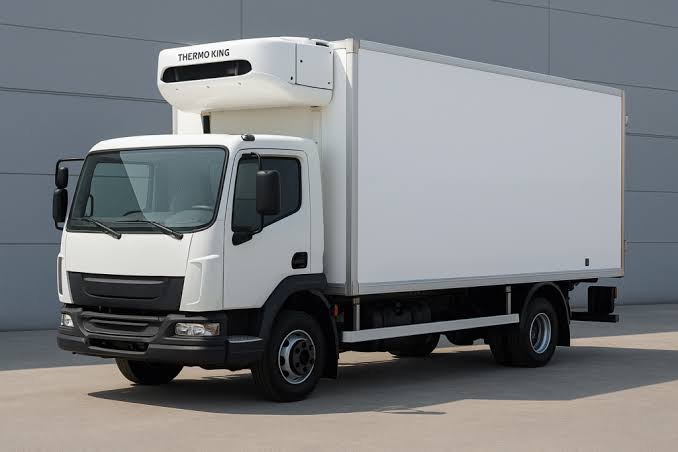
Refrigerated Vehicles
Refrigerated trucks, commonly called reefer trucks, are fitted with cooling systems that maintain specific temperature ranges regardless of external weather conditions.
Depending on the cargo, these vehicles can transport products safely at chilled, frozen or ambient-controlled temperatures.
Products That Require Refrigerated Transport
- Fresh fruits and vegetables
- Frozen foods
- Meat and seafood
- Dairy products
- Ice cream
- Vaccines
- Insulin and other medicines
- Laboratory samples
- Flowers and plants
The Cost of Using the Wrong Vehicle
Using a standard delivery truck for temperature-sensitive goods may reduce transport costs initially, but the hidden expenses can be much greater.
Businesses risk product spoilage, customer dissatisfaction, rejected deliveries, regulatory issues and unnecessary financial losses.
Choosing the Right Logistics Partner
When selecting a logistics provider, ask important questions:
- Can they maintain the required temperature throughout the journey?
- Do they provide temperature monitoring?
- Is shipment tracking available?
- What contingency plans exist in case of delays or equipment failure?
Reliable refrigerated transport is not an added luxury. It is a critical investment in product quality and customer satisfaction.





Leave a Reply