

How Technology Is Changing Cold Chain Logistics in Africa
Africa’s cold chain industry is undergoing a digital transformation.
For decades, businesses relied on manual checks, paper records and phone calls to monitor temperature-sensitive shipments. Today, technology is making cold chain logistics more efficient, transparent and reliable than ever before.
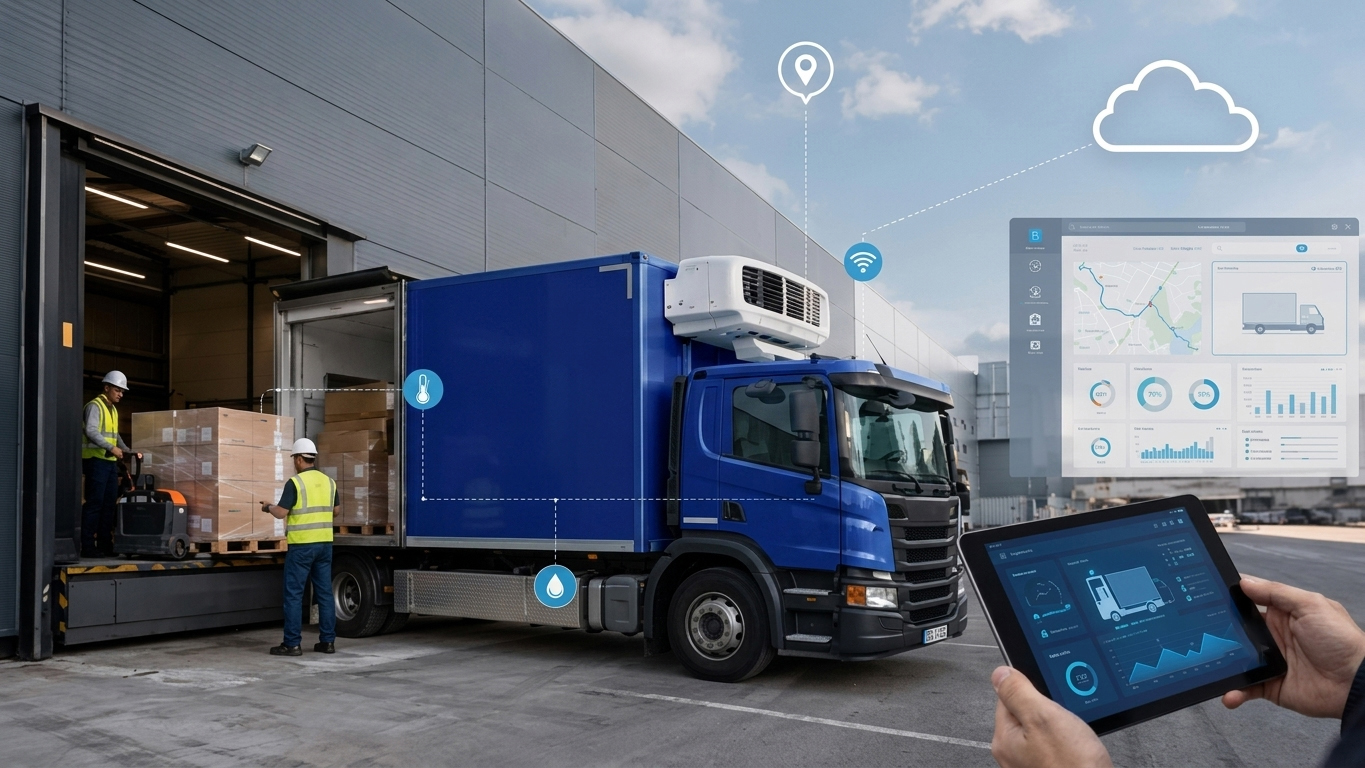
Real-Time GPS Tracking
Businesses no longer have to wonder where their shipments are. GPS tracking provides live location updates throughout the journey, improving planning and customer communication.
IoT Temperature Sensors
Modern sensors continuously monitor temperature and humidity inside refrigerated vehicles and storage facilities.
If temperatures move outside acceptable limits, instant alerts allow operators to respond before products are damaged.
Cloud-Based Monitoring
Instead of collecting paper records after delivery, logistics teams can access shipment information from anywhere using secure online dashboards.
Historical data also supports quality assurance, compliance and operational improvement.
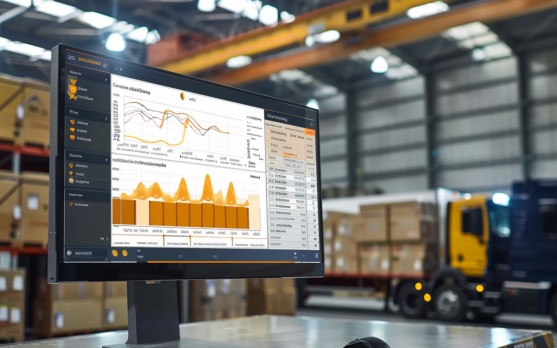
Data-Driven Decision Making
By analysing delivery routes, travel times and temperature trends, businesses can identify inefficiencies and continuously improve operations.
Artificial Intelligence
AI is beginning to assist logistics companies by predicting delivery delays, identifying maintenance needs and recommending more efficient routes.
As adoption grows, businesses will be able to reduce waste while improving customer service.
The Future of Cold Chain Logistics
Technology will continue to reshape how temperature-sensitive products move across Nigeria and Africa.
Businesses that embrace digital monitoring, real-time visibility and data-driven operations will be better equipped to meet growing demand while reducing losses.
The future of cold chain logistics isn’t simply about moving products. It’s about moving them intelligently, safely and with complete visibility from start to finish.


Leave a Reply